
When I joined Tails, a large number of customers were cancelling within the first few days of their trial. This had already been identified as a key issue, and I was brought in to understand why it was happening and how we could improve it.
Problem
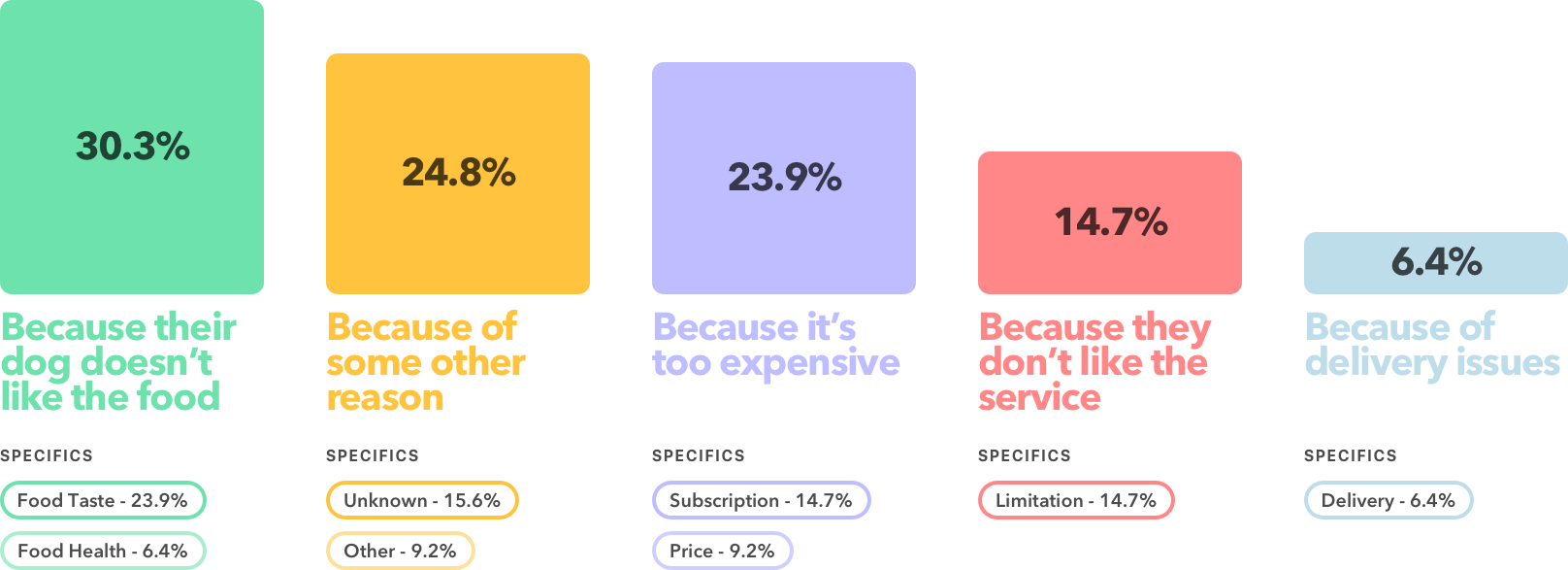
Why are customers leaving in the first 5 days?
A significant number of customers were cancelling within the first few days of their trial.
Initial data pointed to a mix of issues, including dissatisfaction with the product, perceived cost, and service limitations, but it didn’t clearly show where the experience was breaking down.
The challenge was to understand what was actually happening during those early days, and how the experience could better support customers through that initial period.
Approach
Seeing the bigger picture
To get a clearer understanding, I mapped customer drop-off data against the full experience journey.
This included:
-
The end-to-end customer journey
-
Key product touchpoints
-
Delivery and transition stages
-
Emails and communications
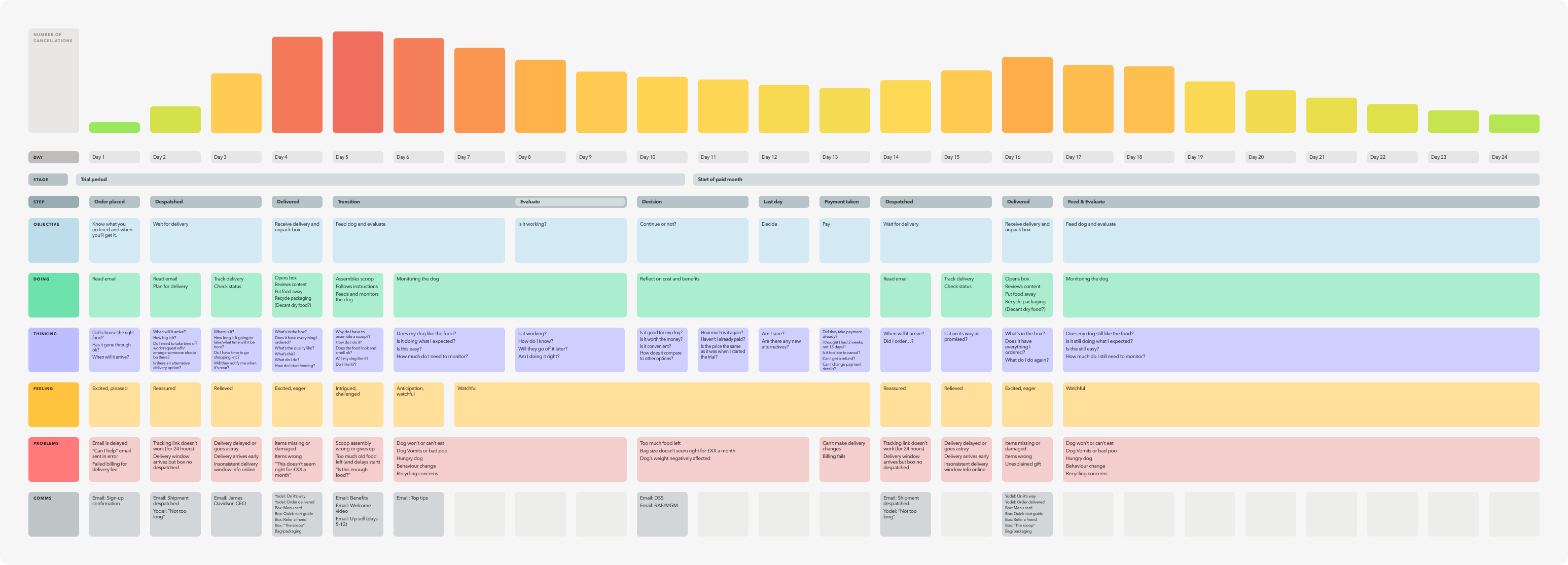
The existing customer journey mapped to the leaving data.
Overlaying the cancellation data onto this journey made it much clearer where problems were occurring and at what stage customers were struggling.
Alongside this, I:
-
Went through the trial myself and documented the experience
-
Mapped out all customer communications
-
Reviewed the structure of the product and key flows
We also ran a workshop with the wider team to explore improvements to the dashboard and core experience, which helped highlight broader usability issues alongside the retention work.
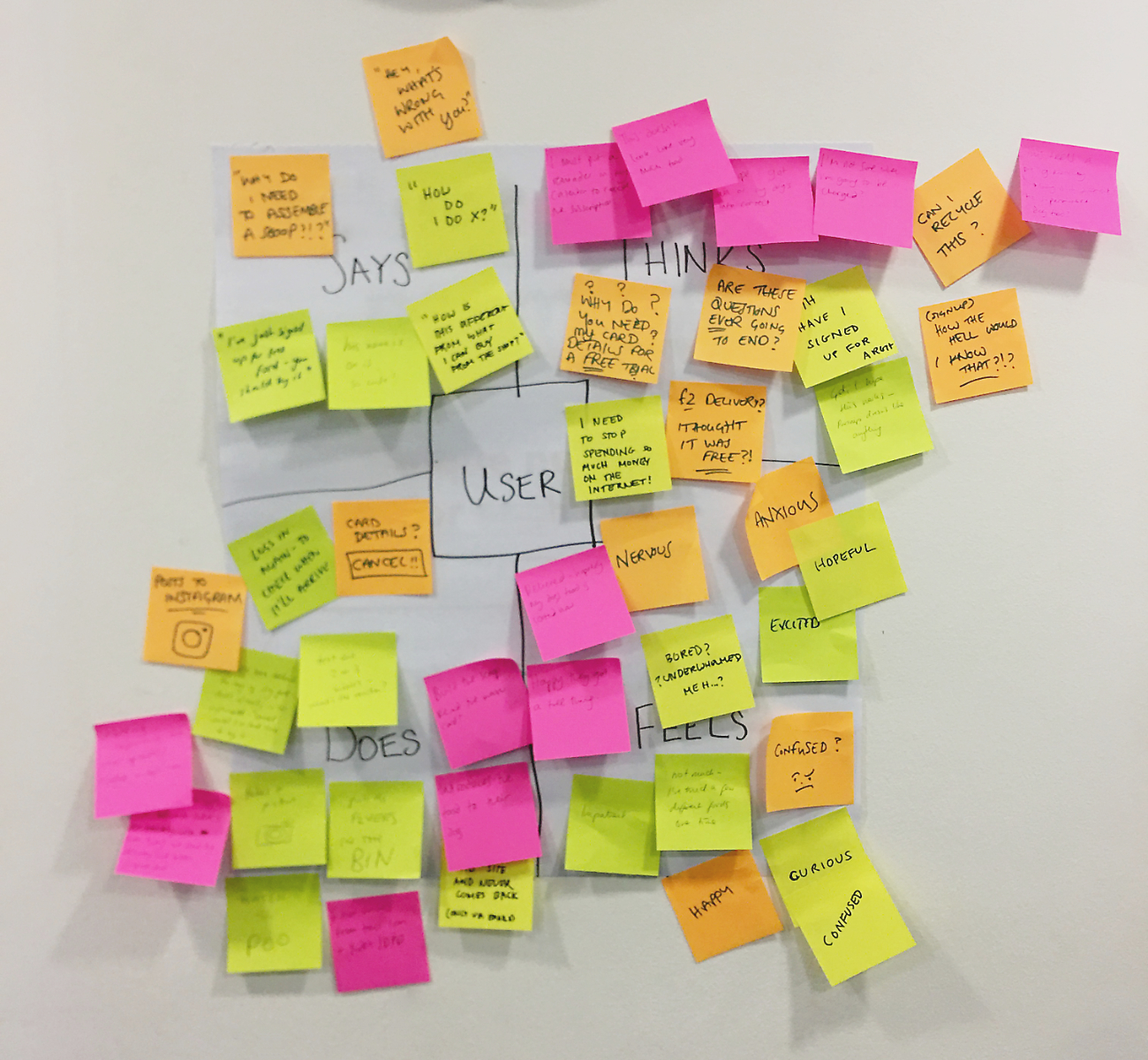
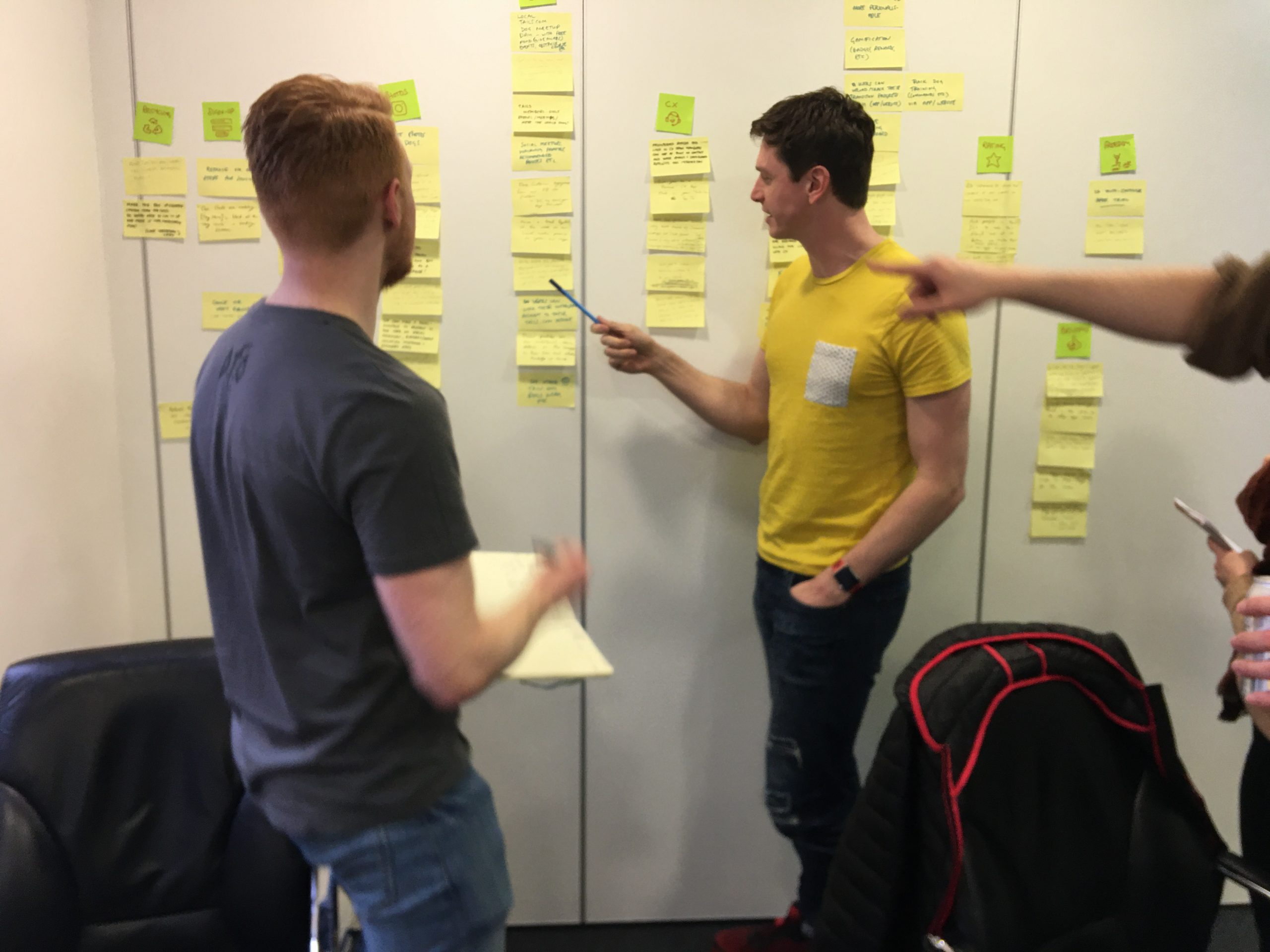
Some photos from the workshop.
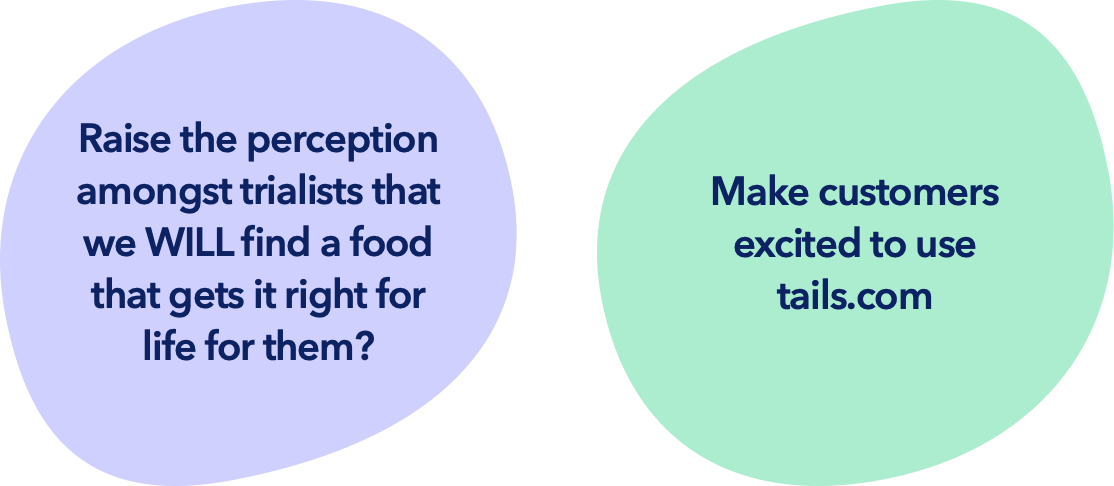
Looking at all of these together revealed how the early experience actually worked in practice, not just how it was intended to work.
Discovery
What we learned
Combining the journey mapping with user interviews helped confirm what was really happening.
The biggest issue wasn’t just the product itself, but how customers were going through the transition process.
Customers were not following the transition guides properly. These were designed by expert dog trainers to help dogs adjust gradually to the new food, but many customers felt they knew their dog best and didn’t want to force them.
As a result:
-
Dogs were not transitioning properly
-
Customers saw negative results early
-
Confidence in the product dropped quickly
We also identified a number of supporting issues:
-
The onboarding experience didn’t do enough to guide users through the transition
-
Communication across emails and the product was overwhelming and poorly coordinated
-
The dashboard and core journeys introduced unnecessary friction

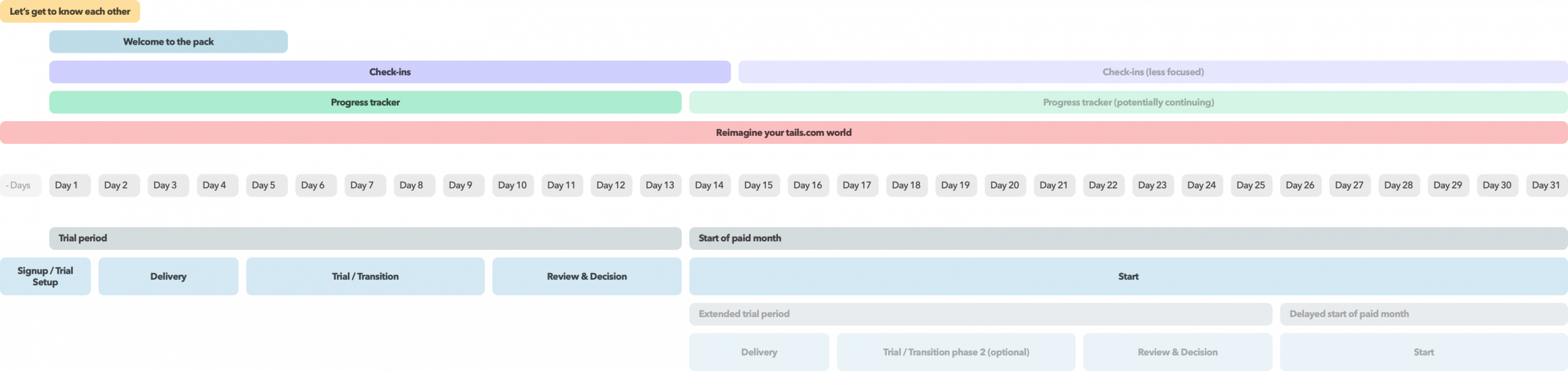
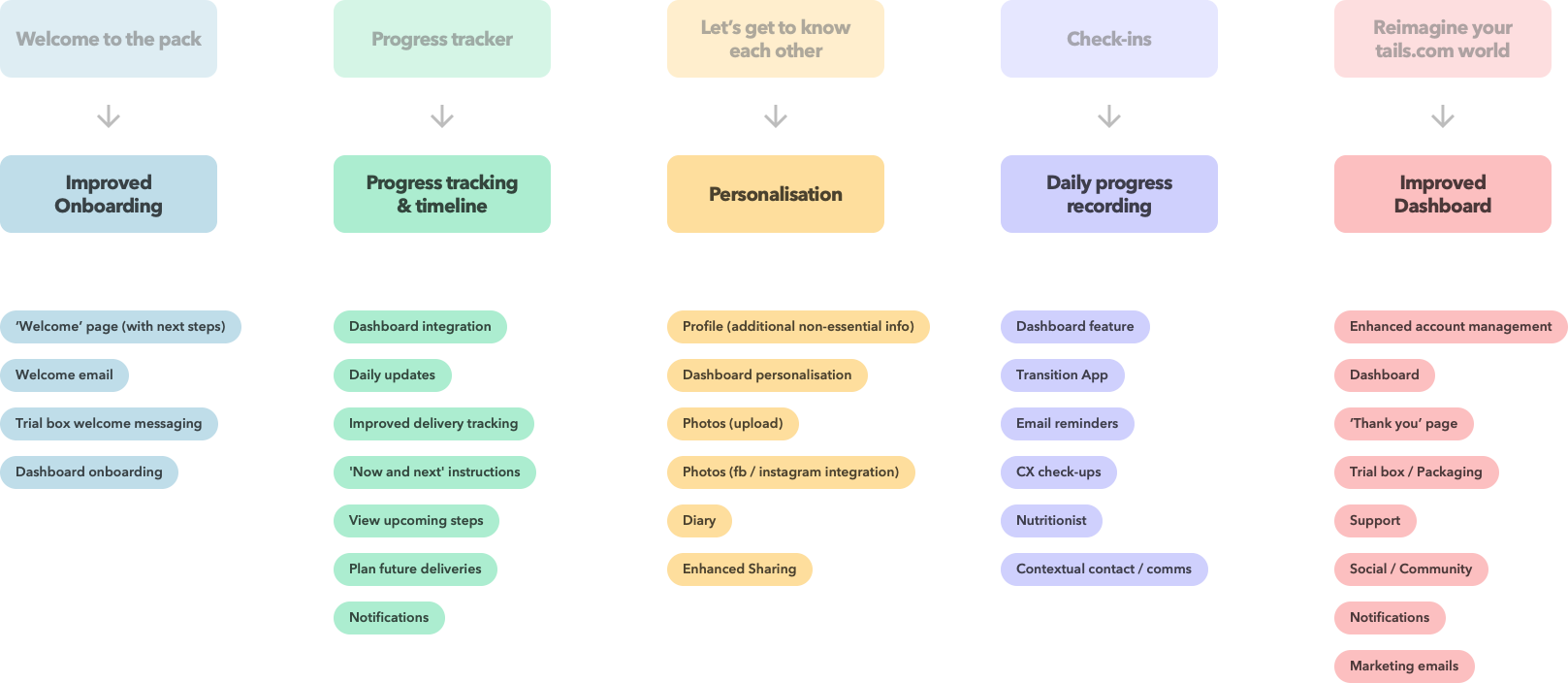
Workshop outcome: 5 focus areas, timeline and possible content/features
Onboarding redesign
From passive onboarding to guided experience
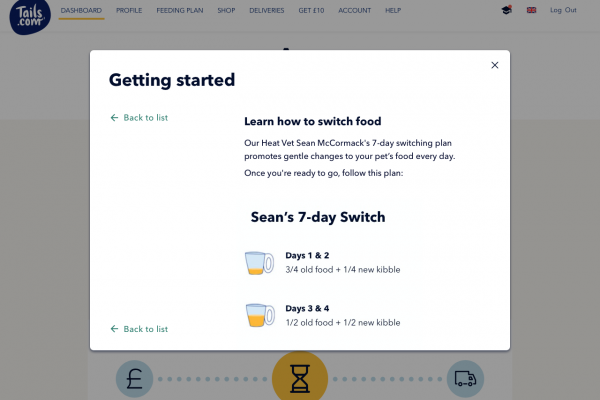
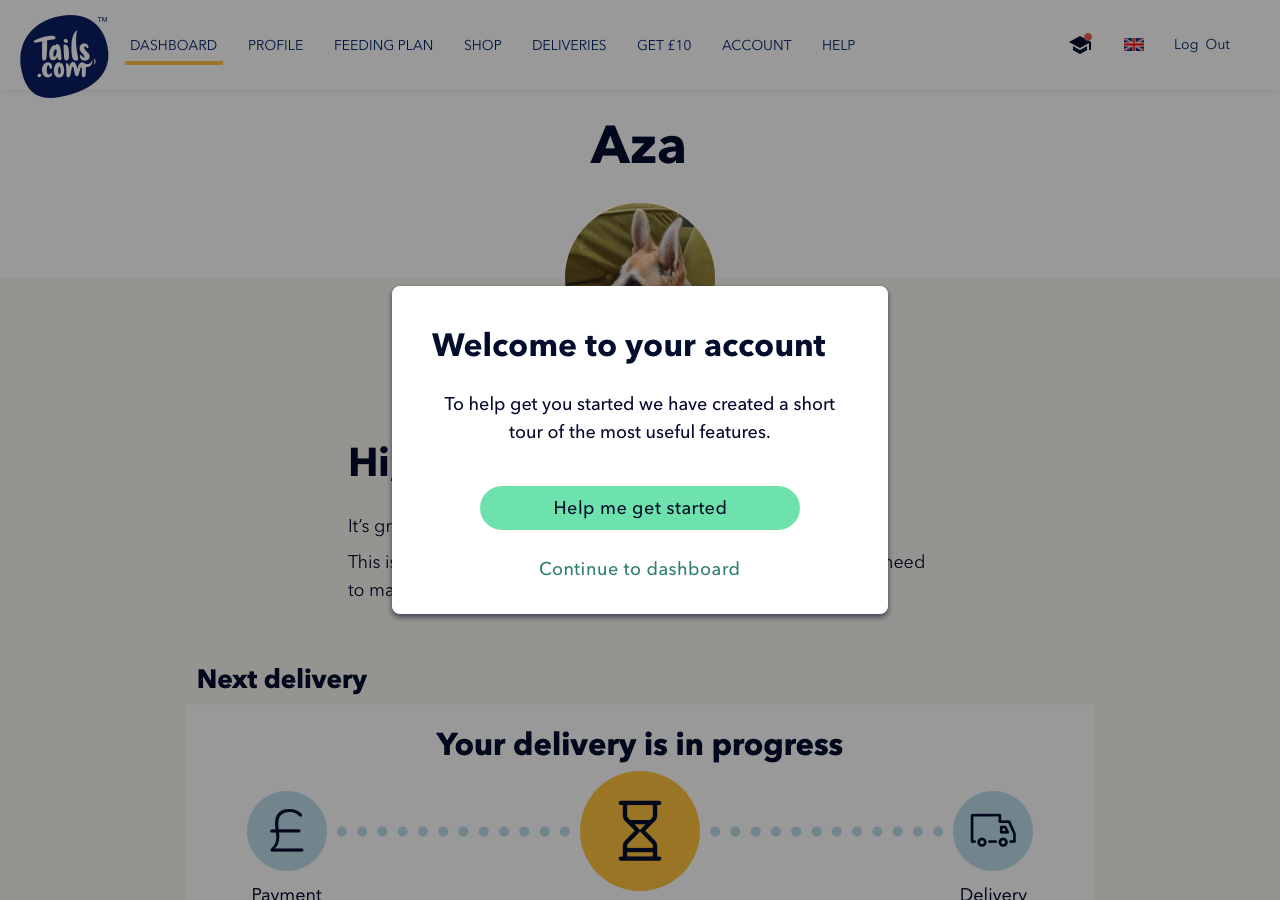
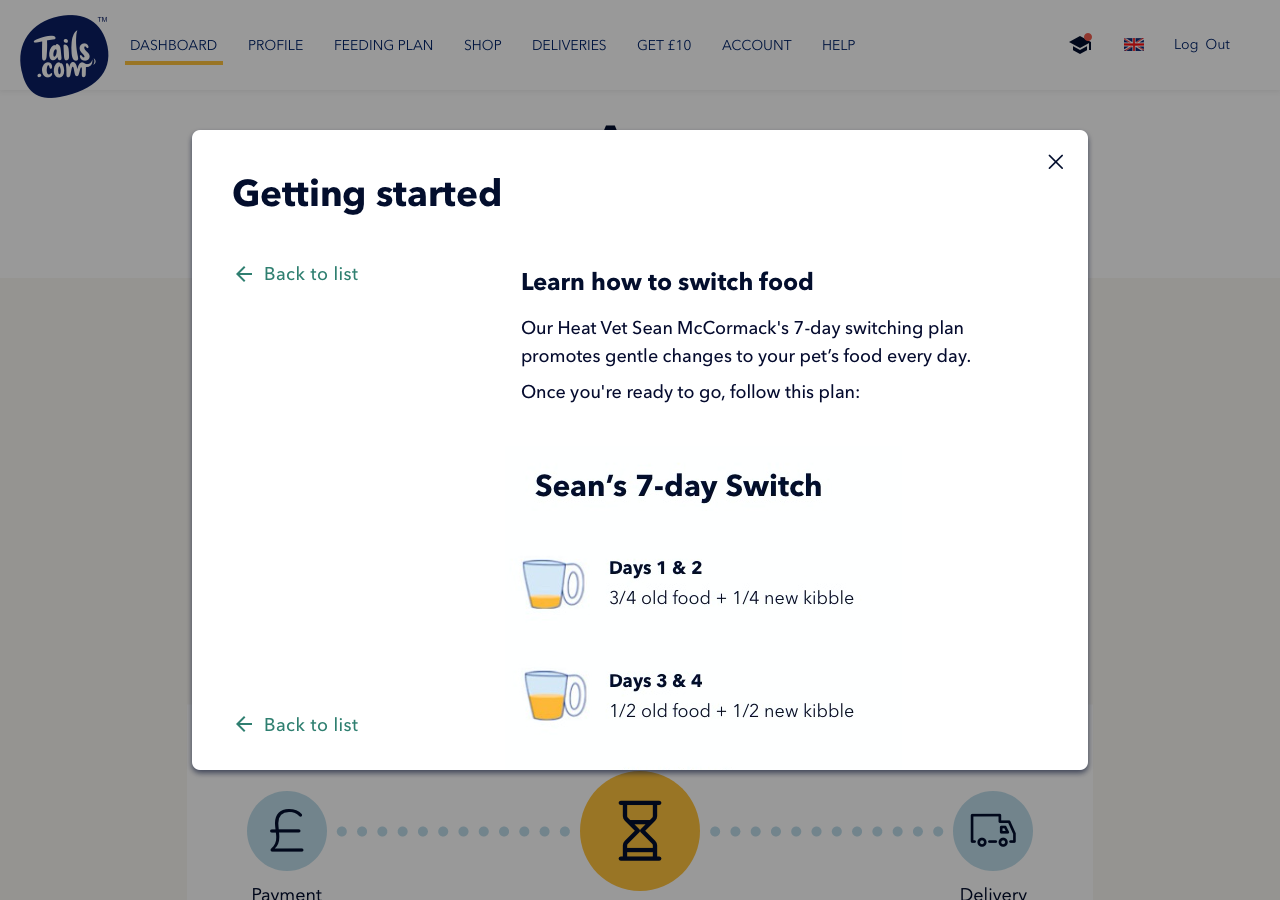
Initial onboarding concepts included simple slides, but these weren’t enough to influence behaviour or guide users through the transition process.
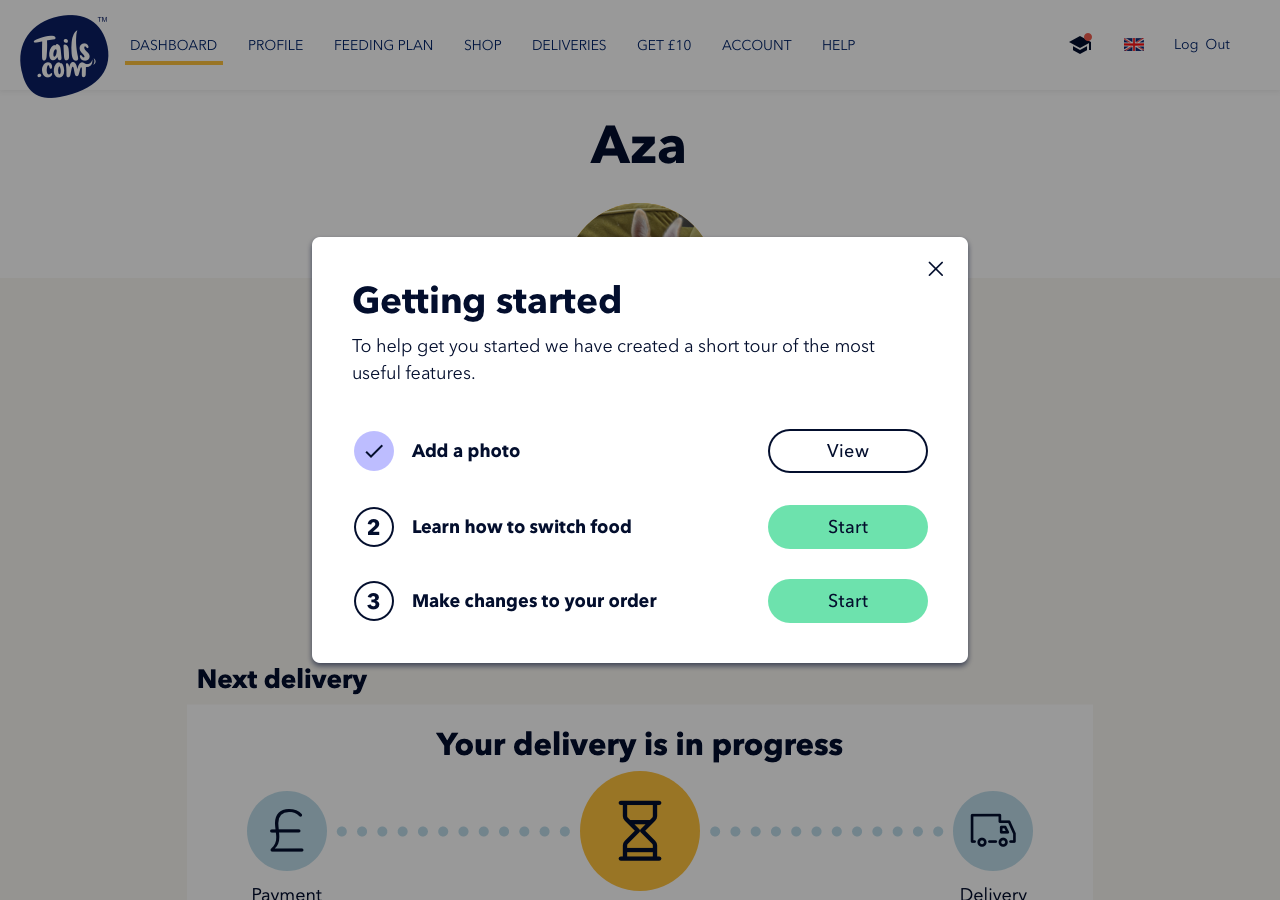
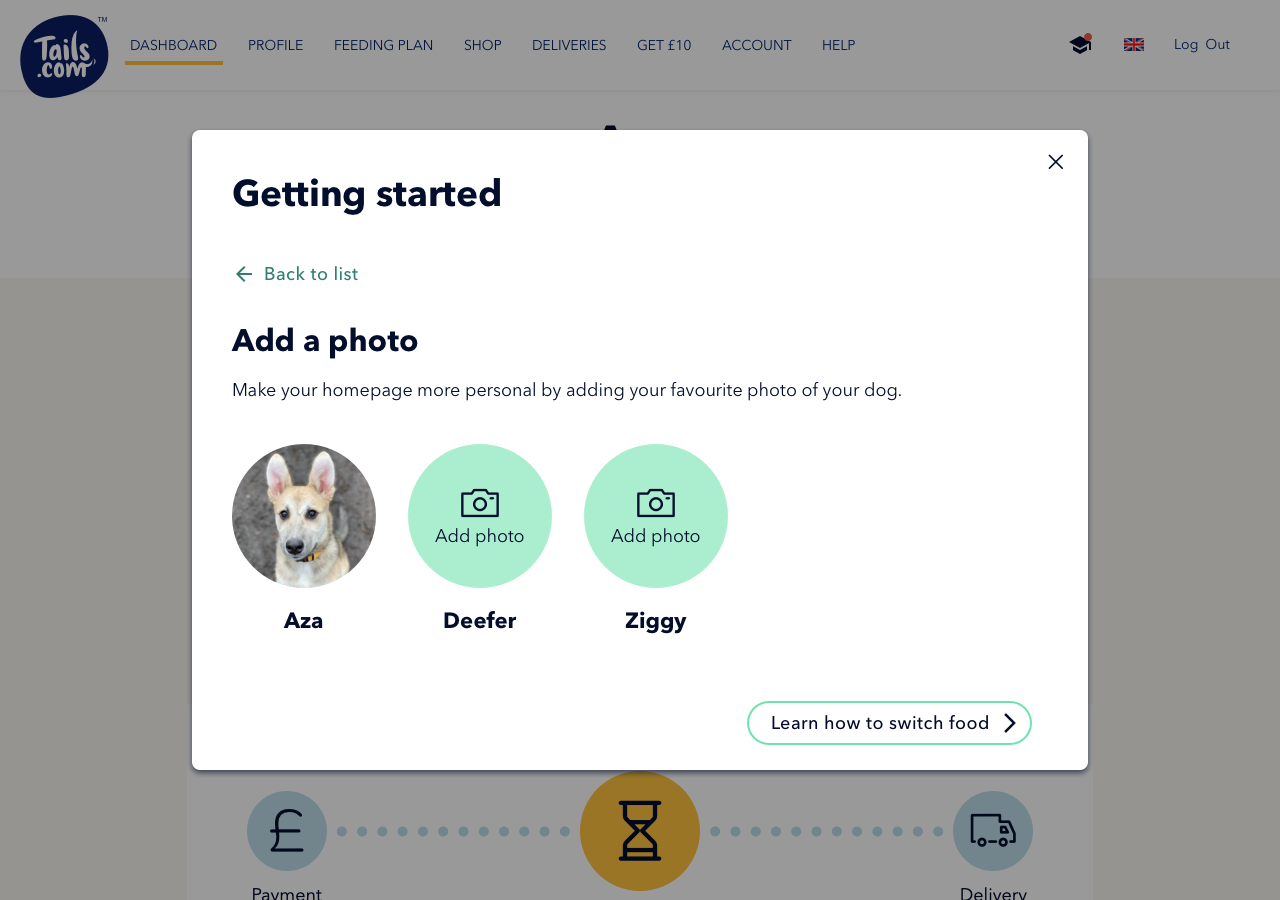
We shifted towards a more structured onboarding experience that:
-
Took users step-by-step through key actions
-
Focused on the transition process specifically
-
Helped set expectations early
We also introduced a visual checklist to guide users through the most important tasks and give a sense of progress.
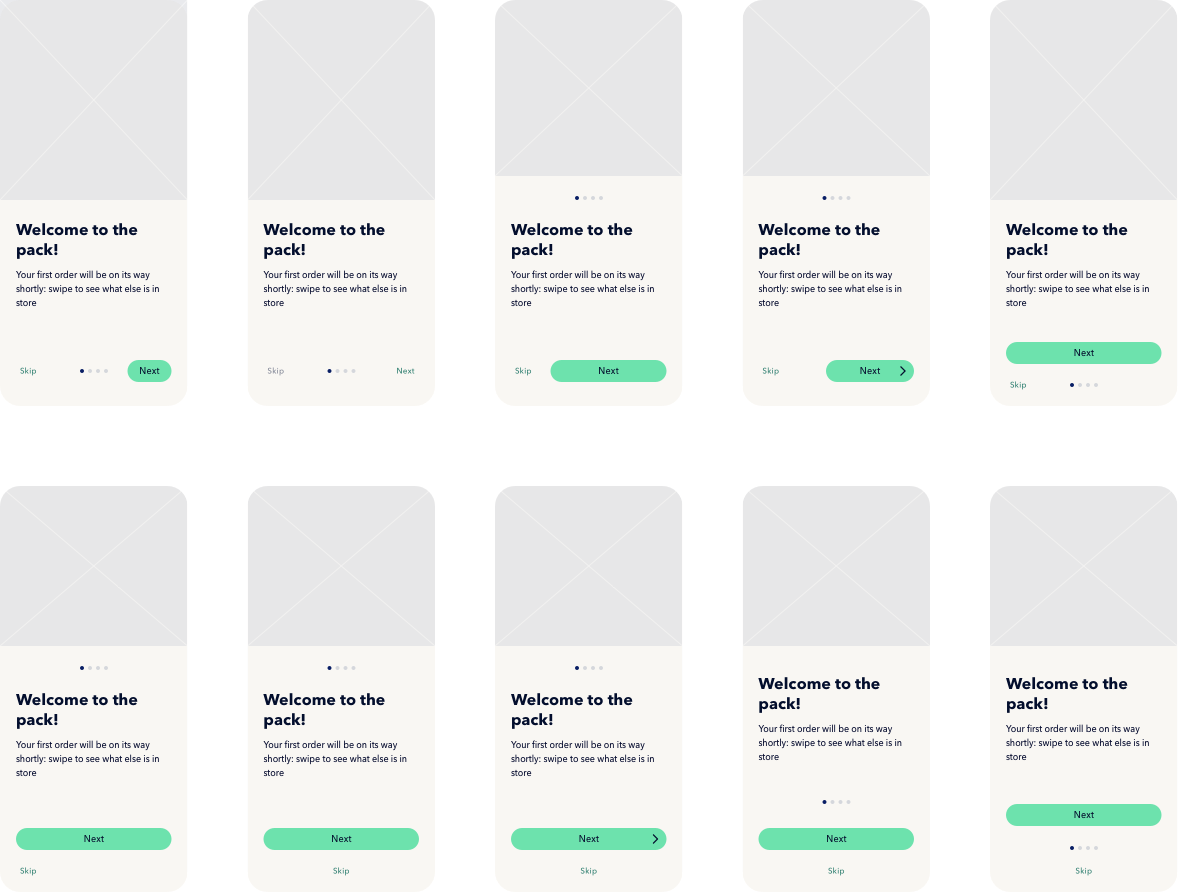
Early onboarding concepts: CTA and pagination options
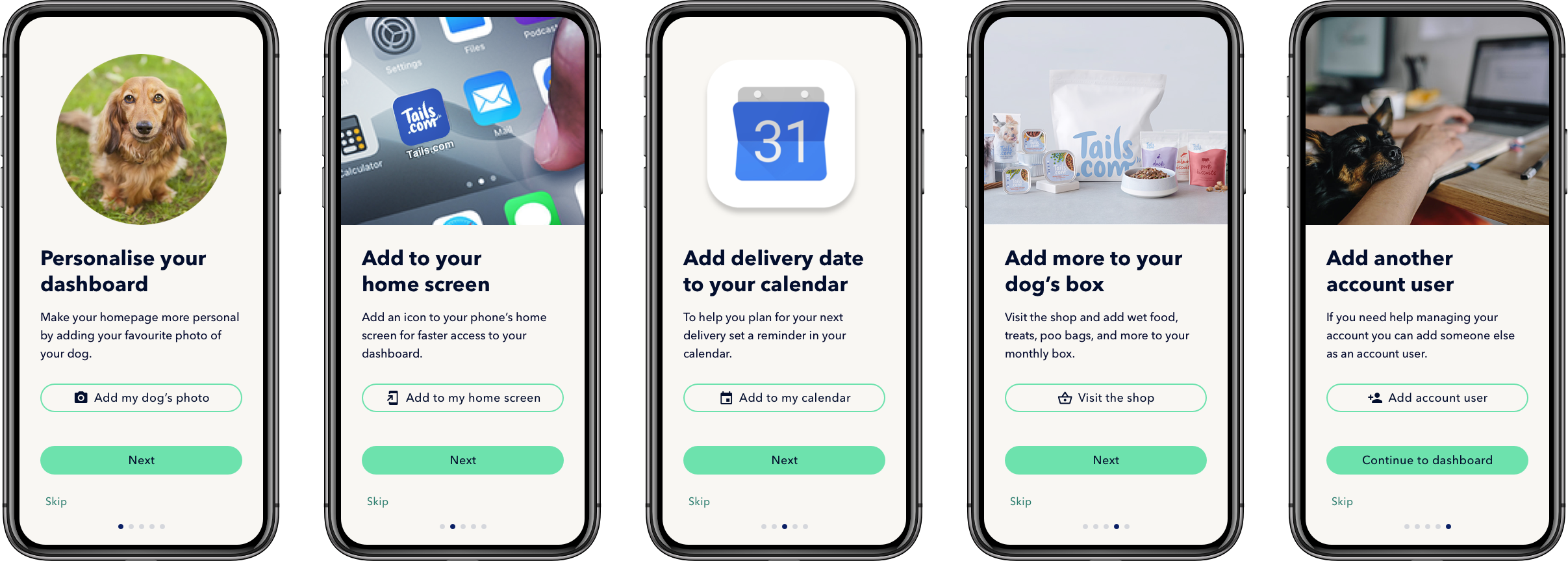
Some initial concepts for onboarding slides.
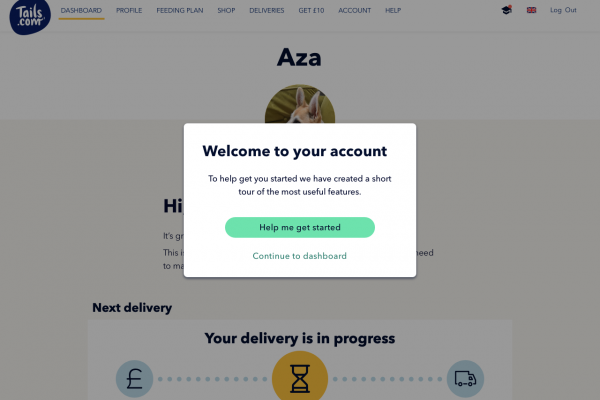
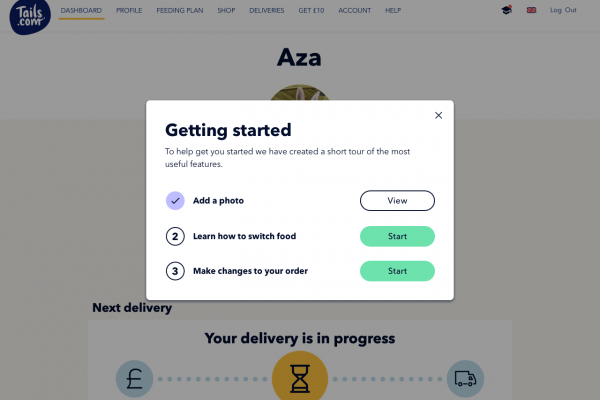
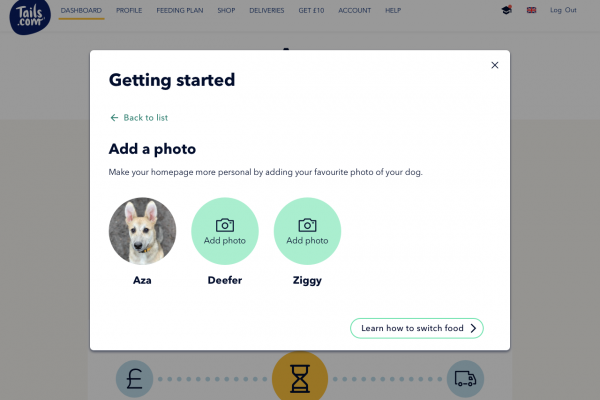
Transition support
Supporting users during the transition
Onboarding alone wasn’t enough.
The transition process happens over time, and users needed support throughout it.
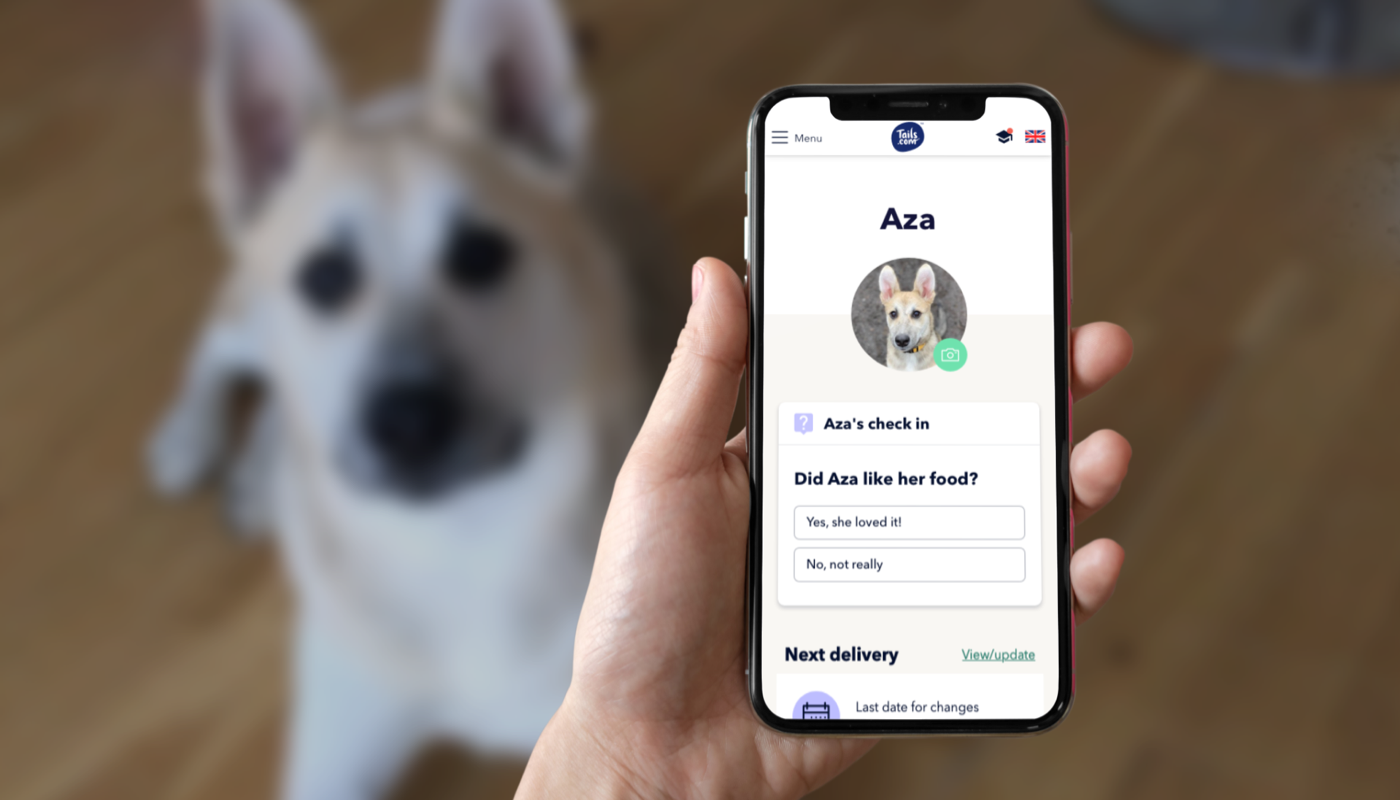
To address this, I designed a system of “check-ins”, a simple dialogue component within the dashboard that asked users how the transition was going and provided guidance based on their responses.
These were:
-
Tested with users in research sessions
-
Iterated based on feedback
-
Validated through live A/B testing
This combination of improved onboarding and check-ins helped users stay on track and continue the transition for longer.
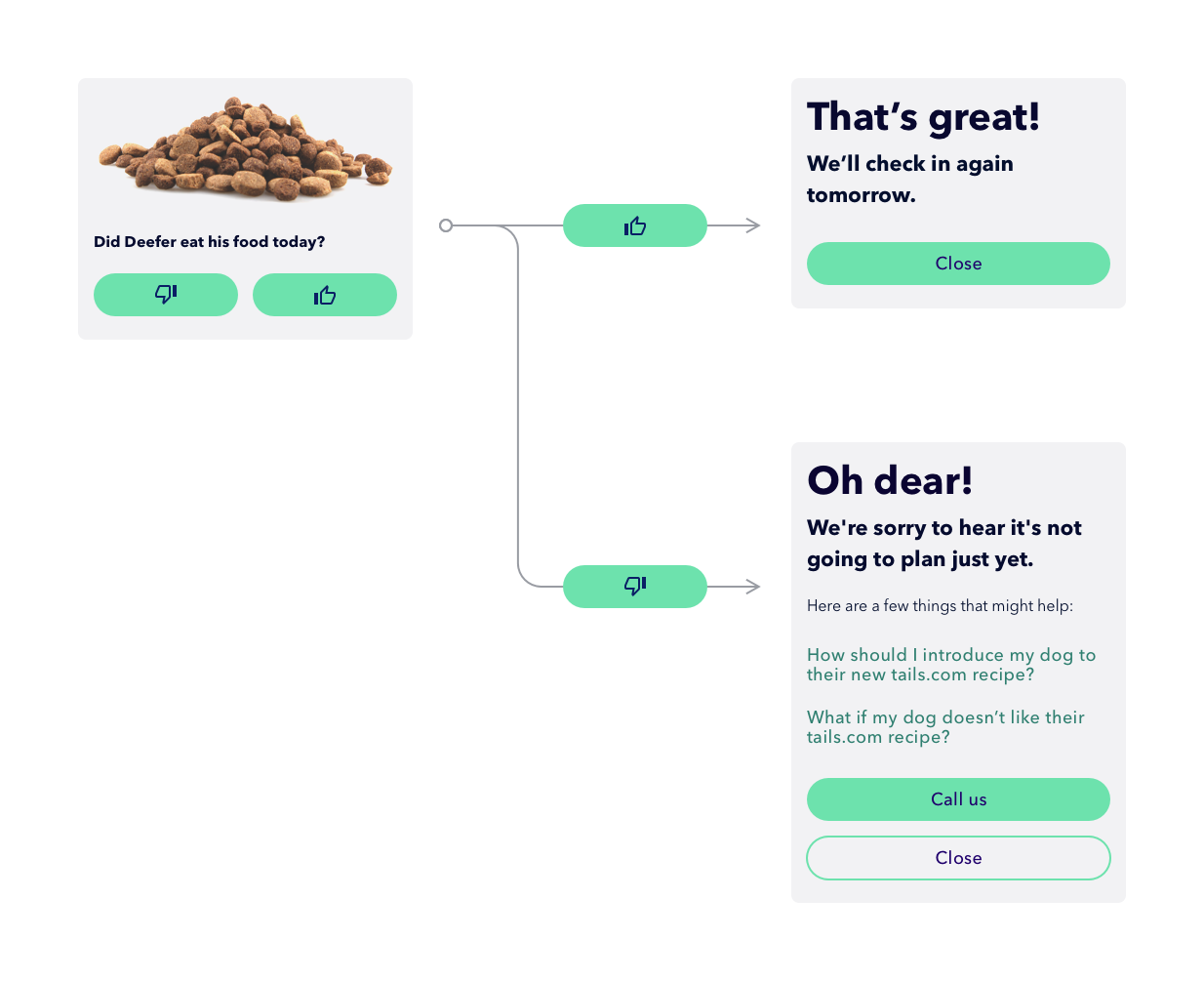
Simple initial test module for check-ins – to see if users will even interact with it
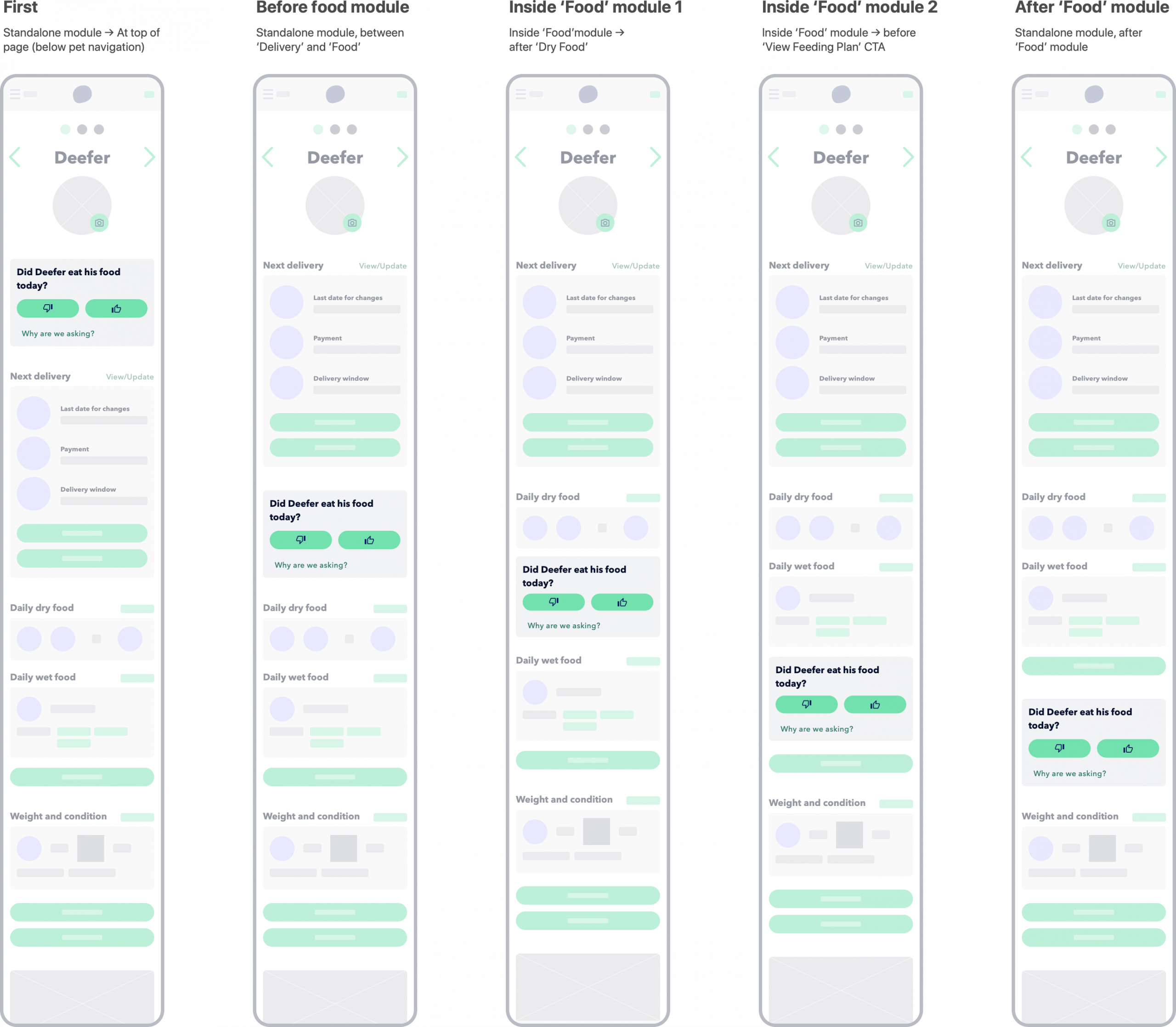
Check-in test module iterations: position on page
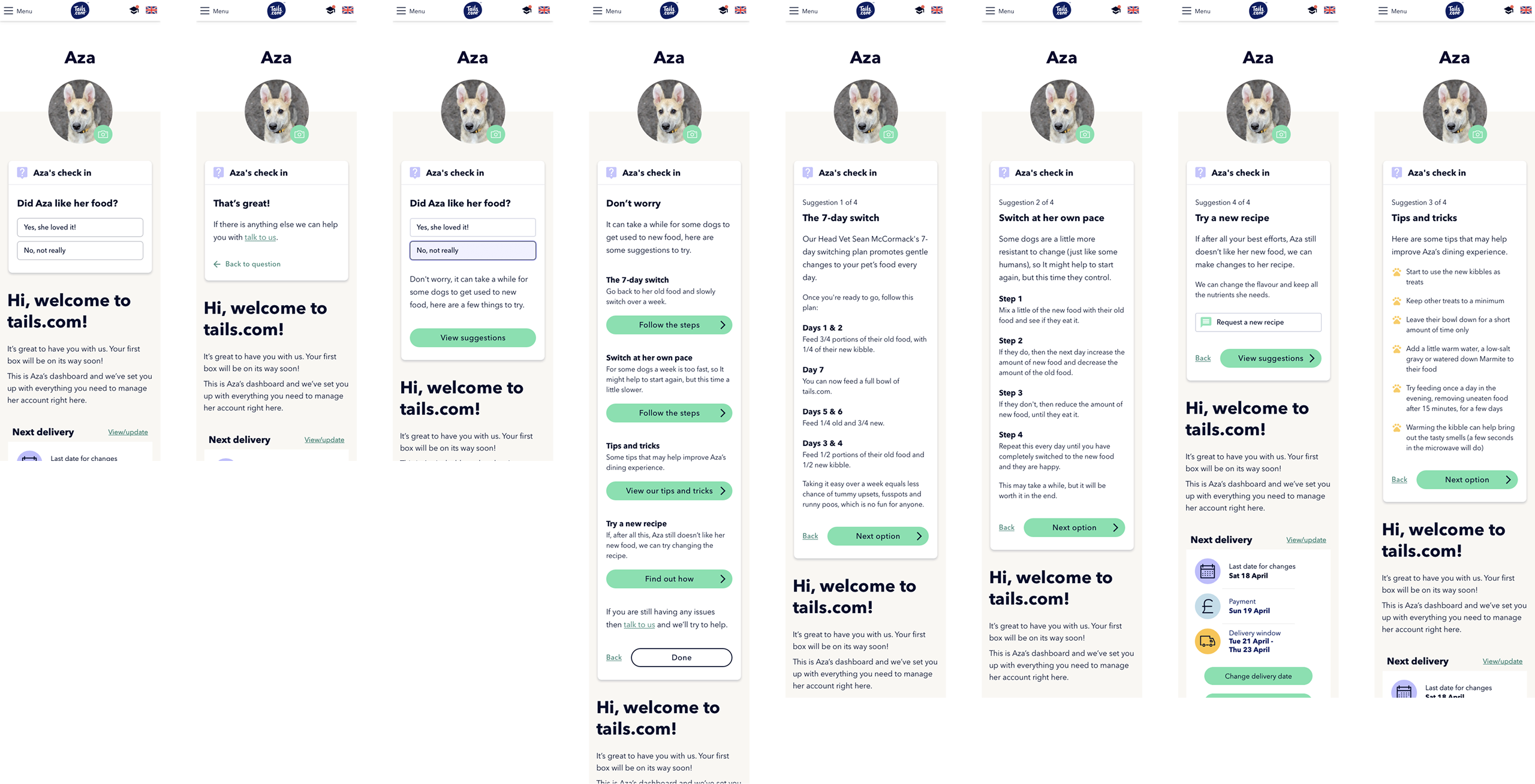
An improved version of the check-in module, based on customer feedback and data from our initial A/B tests.
UX improvements
Reducing friction across the experience
Alongside onboarding improvements, I reviewed the wider experience.
Through mapping and auditing, I identified opportunities to:
-
Simplify the dashboard
-
Improve key user journeys
-
Reduce unnecessary steps and friction
This led to a number of improvements across the product, focused on making the experience clearer and easier to navigate.
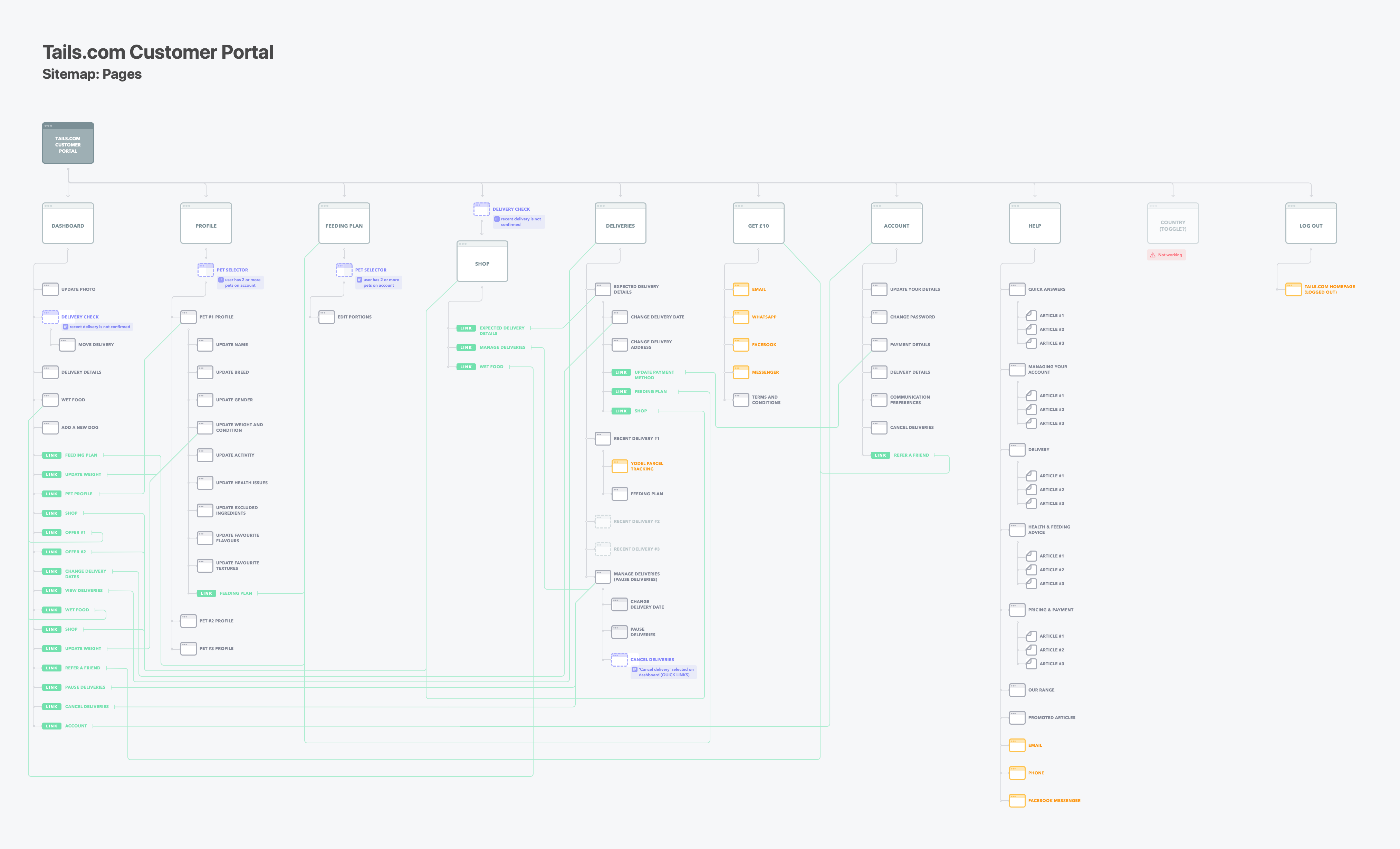
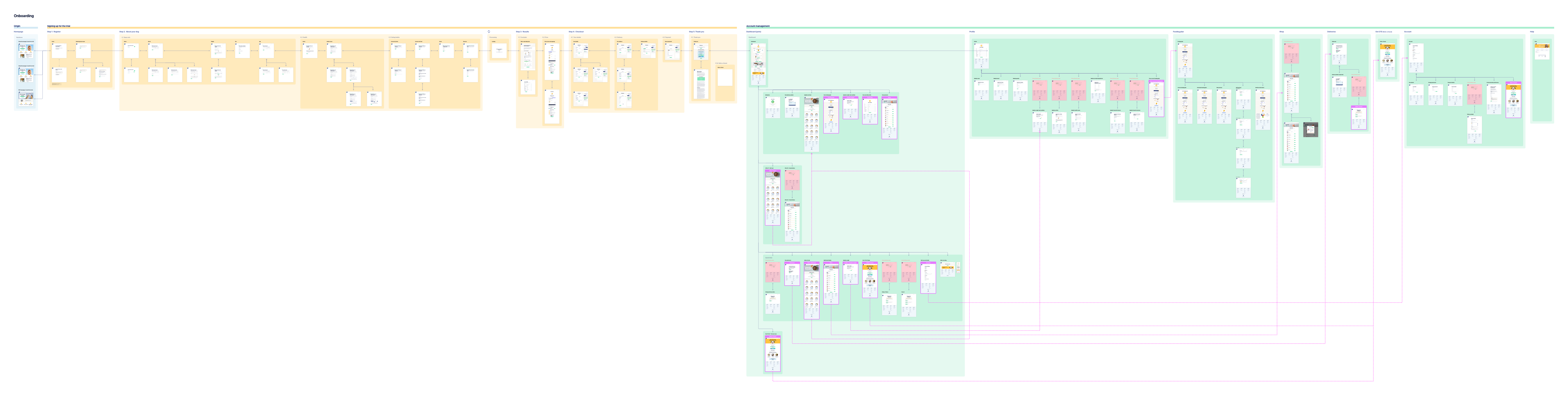
In order to evaluate areas of improvement, I mapped out the entire customer section of the website.
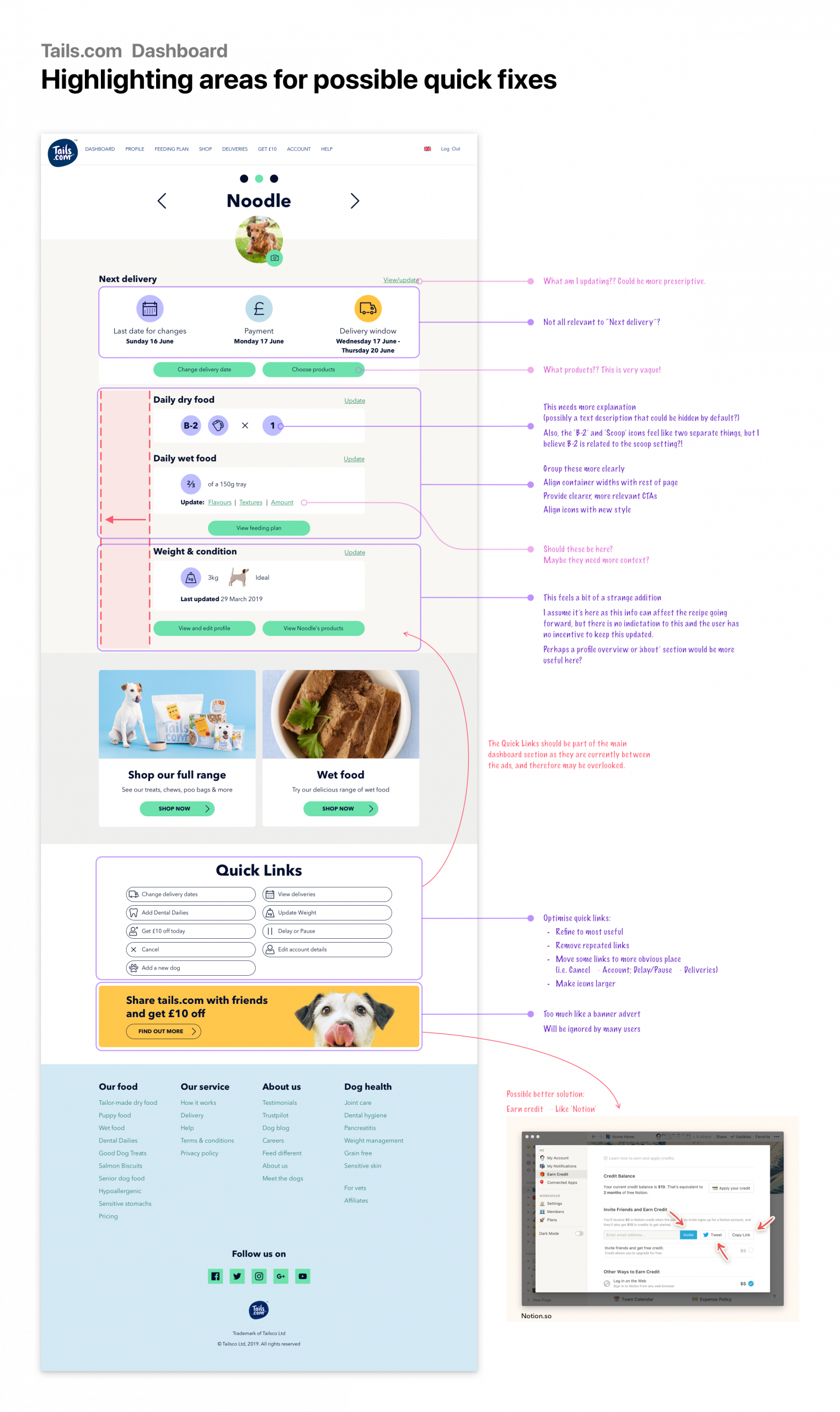
Highlighting areas of concern on dashboard
Communication strategy
Fixing communication overload
Through my own experience as a new customer, I noticed that users were being bombarded with emails, sometimes receiving one per day, with increased frequency if onboarding steps weren’t completed.
I mapped the full communication flow to show how overwhelming this felt in practice.
This helped demonstrate the issue clearly to the team, and led to changes in how communications were managed and coordinated.
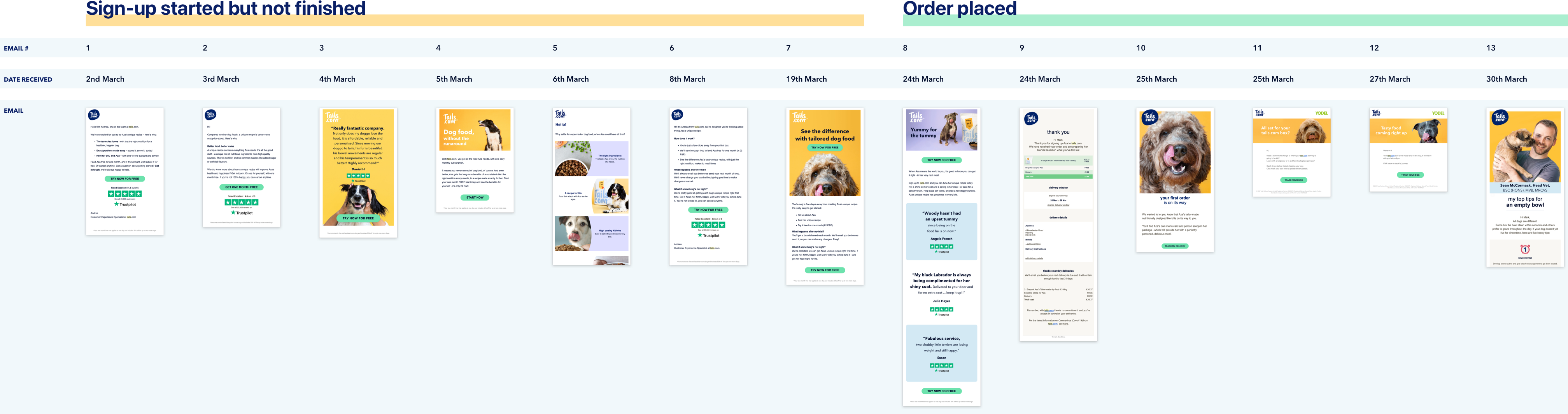
As I had just started the trial myself, as a user, I documented my experience, including all the emails I received along the way.
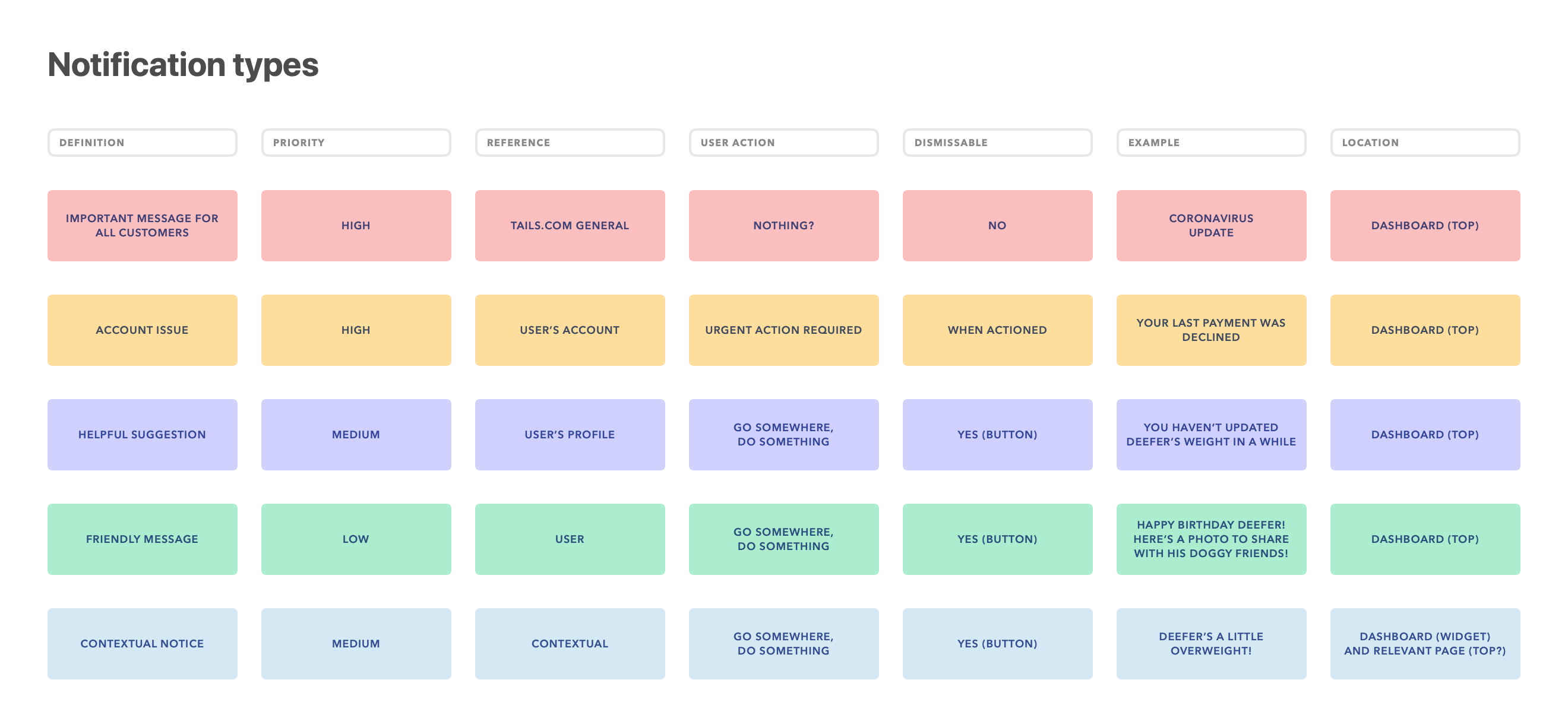
A matrix of notification types.
Results & Impact
What changed
This work led to a much clearer understanding of why customers were leaving early and how to address it. These changes helped more customers continue the transition process for longer than before.
-
Customers were better guided through the transition process
-
The onboarding experience became more structured and purposeful
-
Check-ins provided ongoing support during the trial
-
Communication became more coordinated and less overwhelming
-
Key journeys were simplified to reduce friction
Reflection
Looking back
The key shift in this project was moving from assumptions to understanding.
The initial data suggested a range of issues, but it was only by mapping the full experience and speaking to customers that we could see how those issues played out in practice.
It reinforced the importance of looking at the experience as a whole, especially in the early stages where small problems can quickly compound and lead to users dropping off.