
An experiment in VR storytelling and using a narrative to justify solutions to technical limitations.
Backstory
Where it all started
VR is very demanding on computer power, and therefore a high-end PC is often required, especially for the more engaging VR experiences. The problem is that these machines are (very) expensive (over £1000), and therefore put a lot of people off the idea of buying VR equipment, despite interest and enthusiasm for the concept. [This is only for the entry-level options, to ensure the best experience, and to future-proof, you need to spend at least £1,500!]
Then there’s mobile VR and standalone VR (like the Oculus Quest), that have far less computational power and therefore require much more optimisation (or compromise) for their VR experiences. [It’s also very hard to test something quickly if your game lags when you demo it. Not to mention the HUGE potential customer base with existing, but lower-spec, PCs just waiting to join the VR revolution!]
Optimisation is essential to get any VR experience working smoothly for most users. But this can be a lengthy process and often independent game builders don’t have the time or resources (or budget) that the bigger development teams have. Therefore some games have used ‘fog’ to reduce the view distance (and therefore draw distance) to speed things up. The problem is this can look unrealistic and has been used so much in games now that it has become a sign of a poorly optimised product.
Unfortunately this means developers have to find other ways to optimise their VR experiences, often by removing or reducing details, which has a negative impact on the final experience.
The idea
Hold on a minute lads…
Back in 2015, on a trip to Iceland, I was on a tour bus returning from a visit to some volcano, or glacier, or whatever, and I remember it suddenly got really foggy. It was like the world was only rendering up to a few meters away, and beyond that a wall of grey. Objects would appear and disappear eerily through the grey wall and I started thinking how this would be a cool feature in a game.
I then wondered what it would be like if we ramped up the fog so much that you could only see a few meters? This could provide some interesting game mechanics and puzzle elements that may actually enhance, rather than lessen, the experience. Would it then be possible to build a story around the fog itself?
[Don’t worry, this isn’t the end of the article, I’m just too busy to finish it right now. I promise I’ll add some more as soon as possible!]
Screenshots
A sneak peek
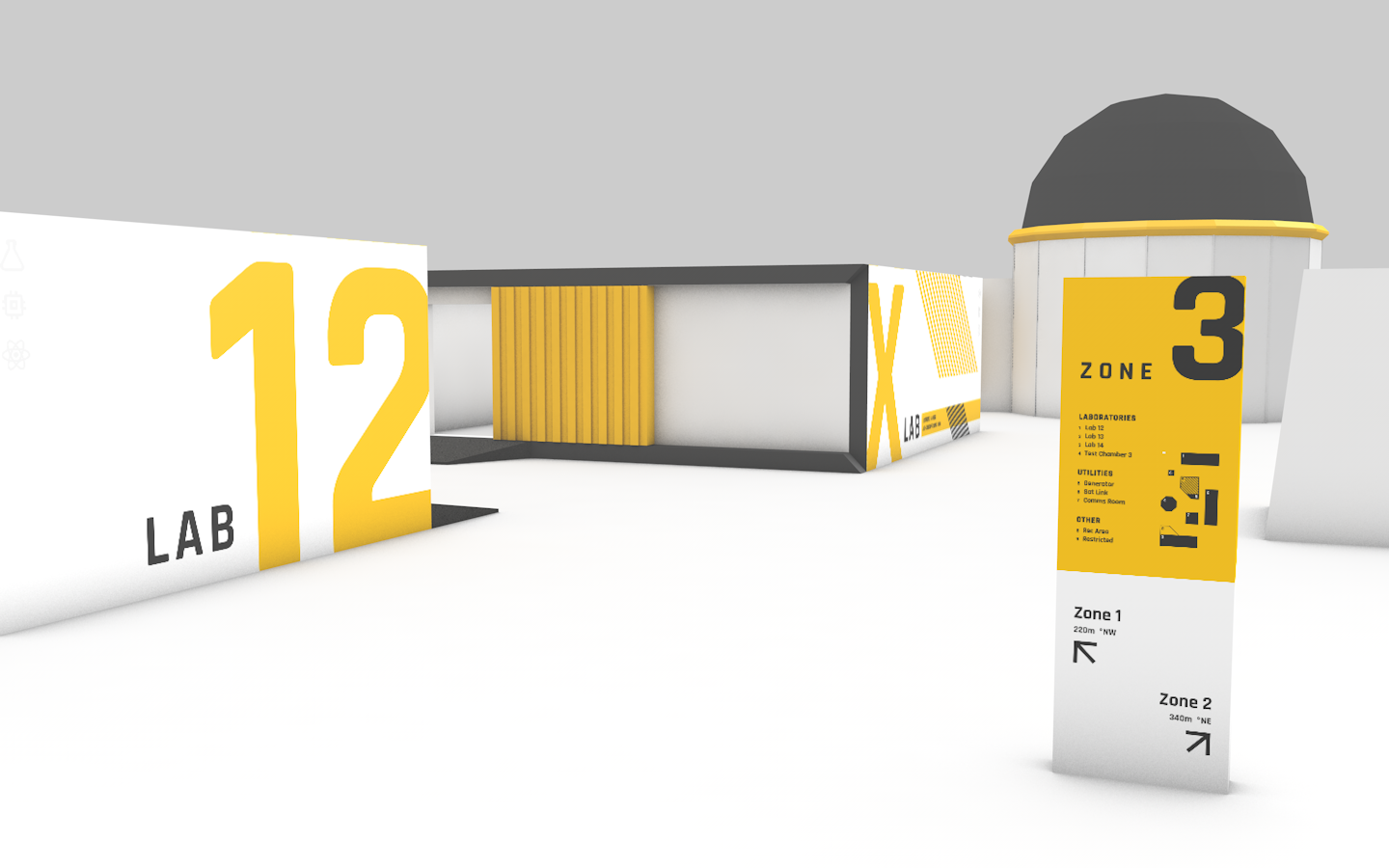
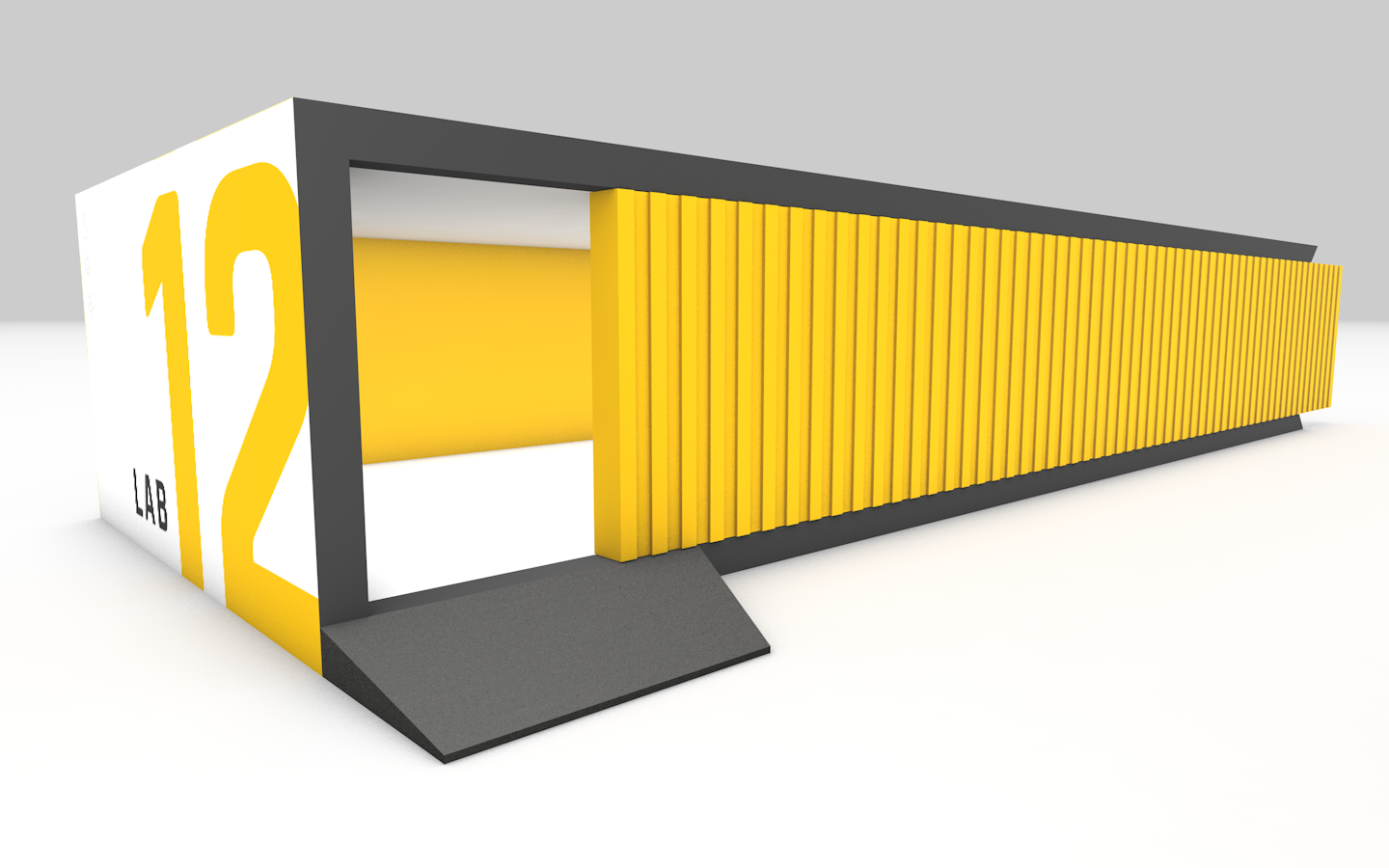
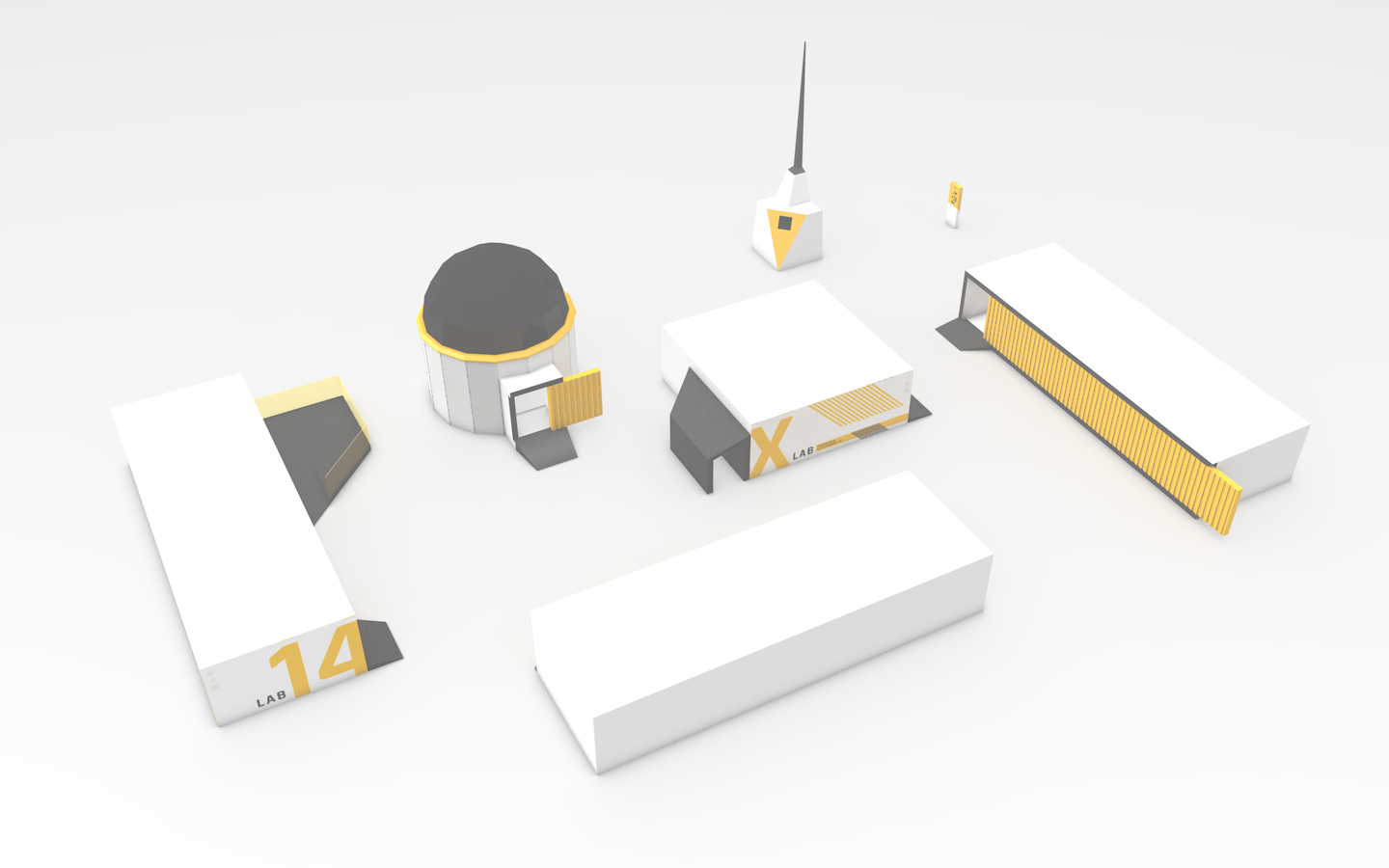
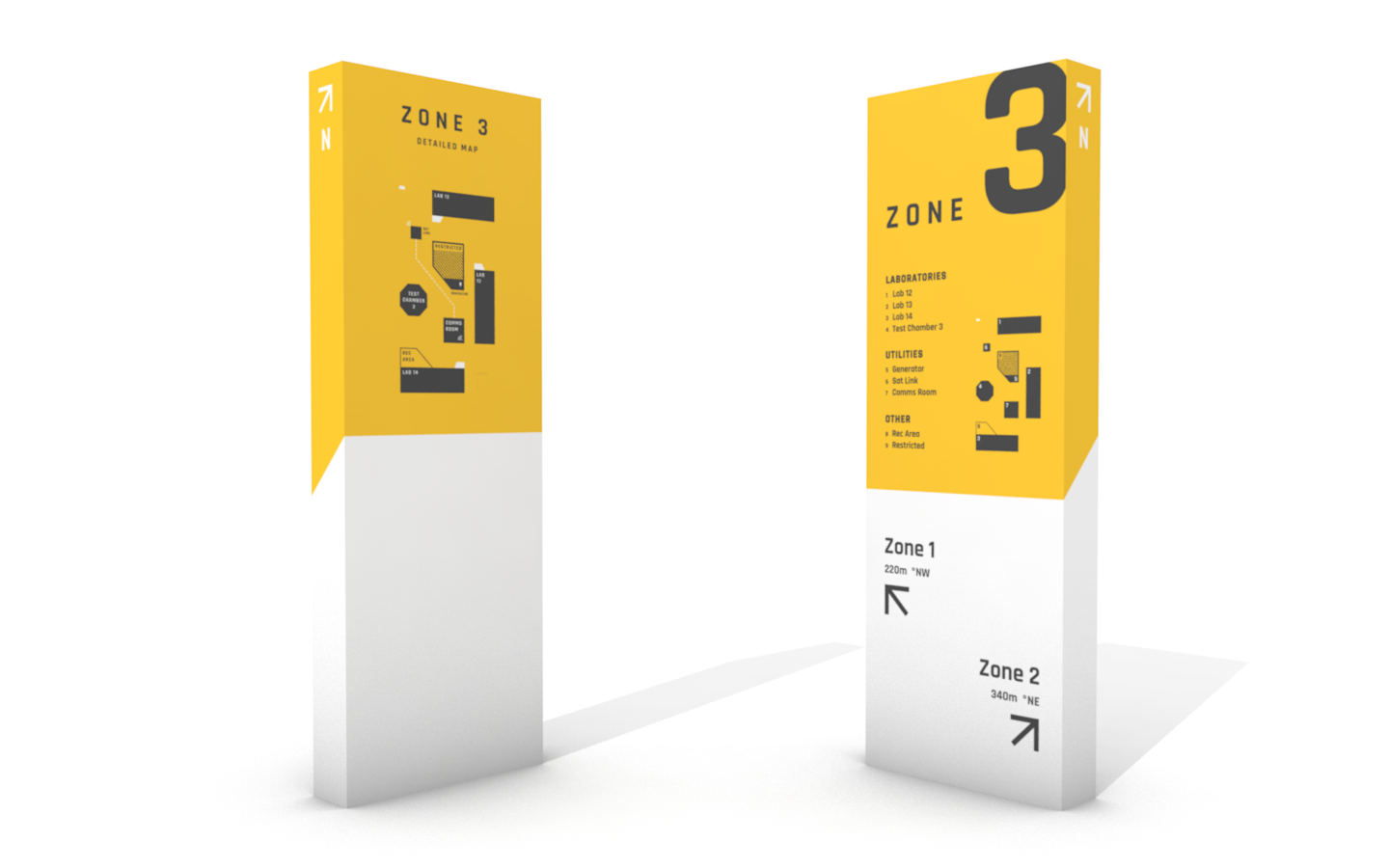
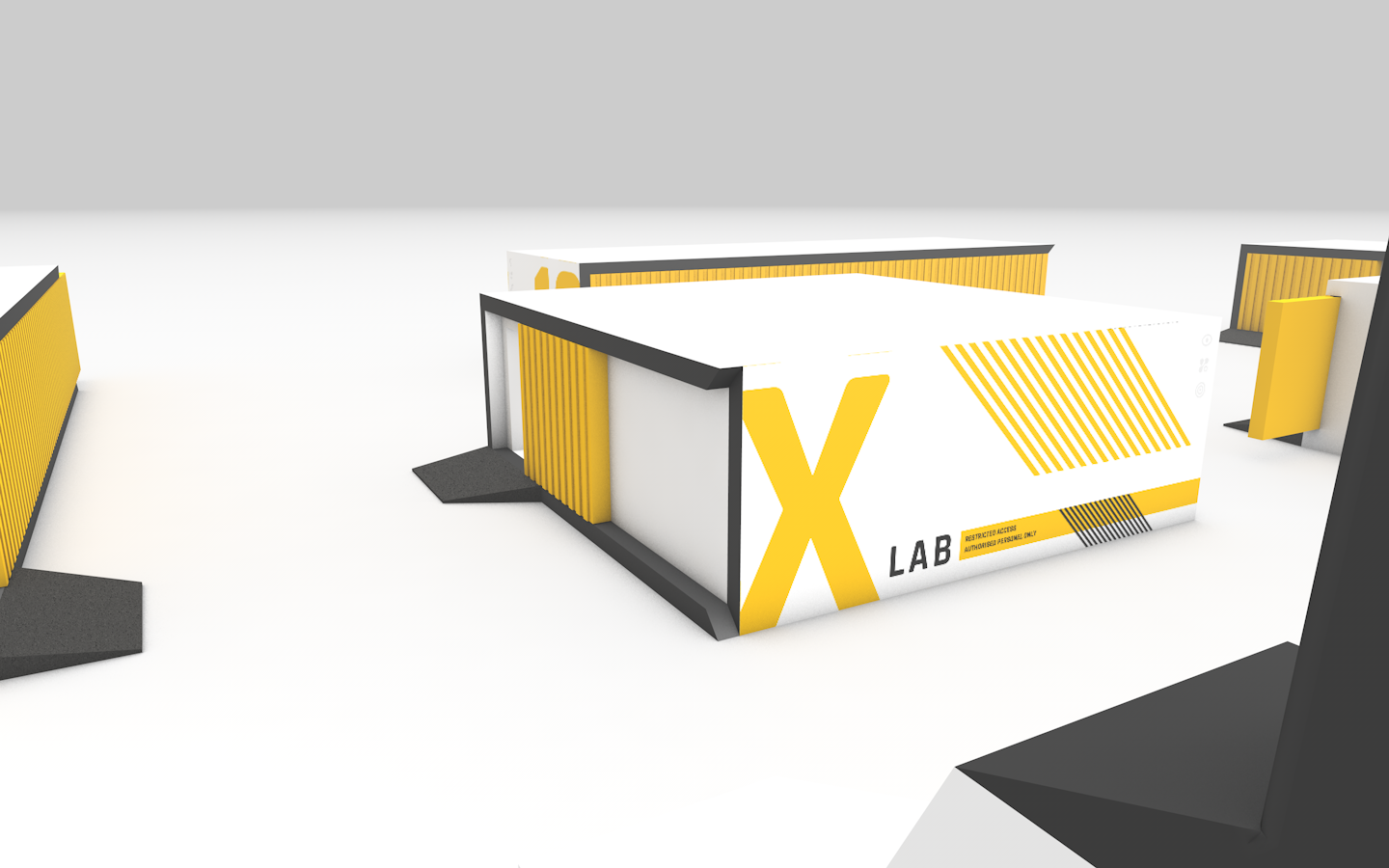
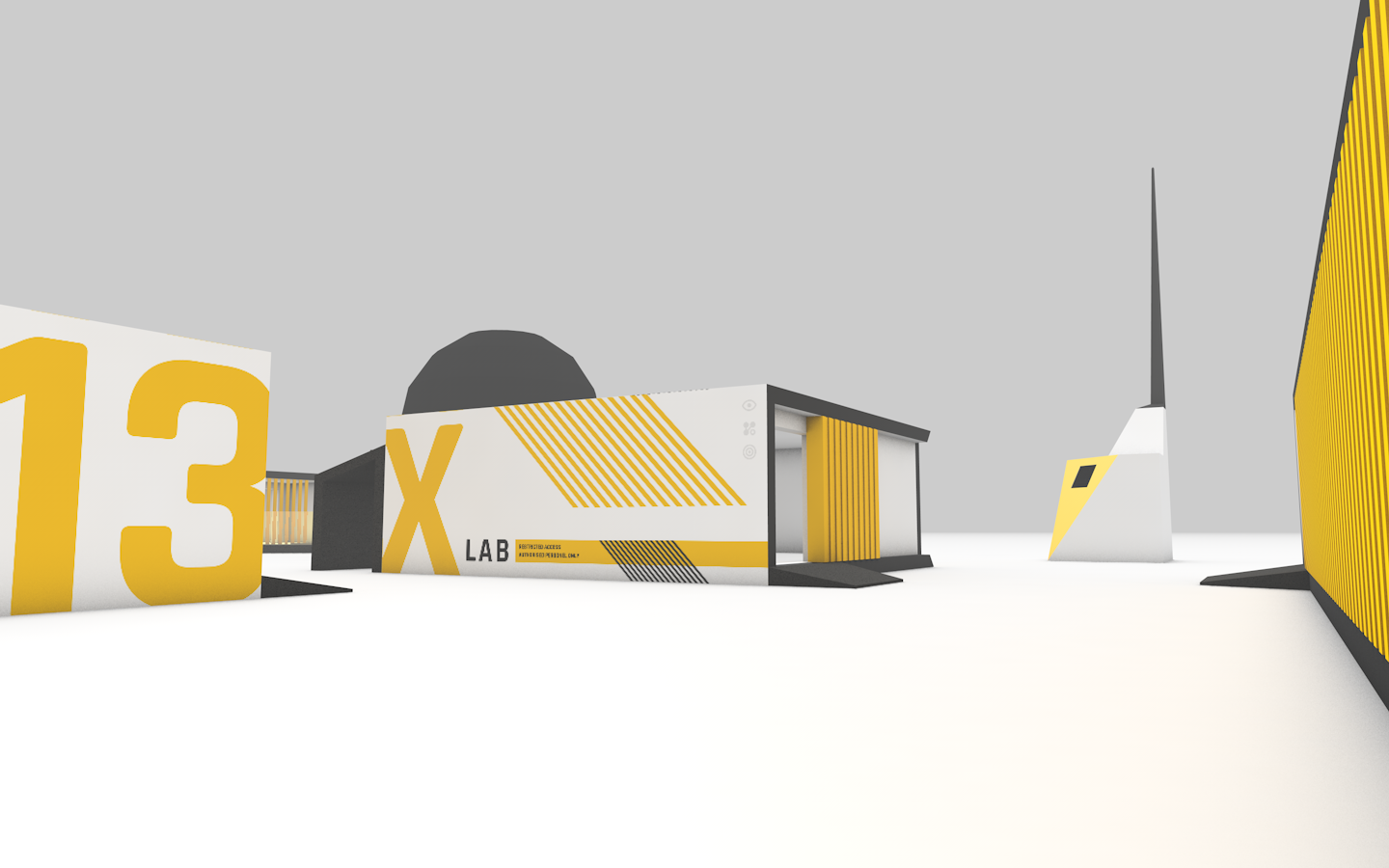
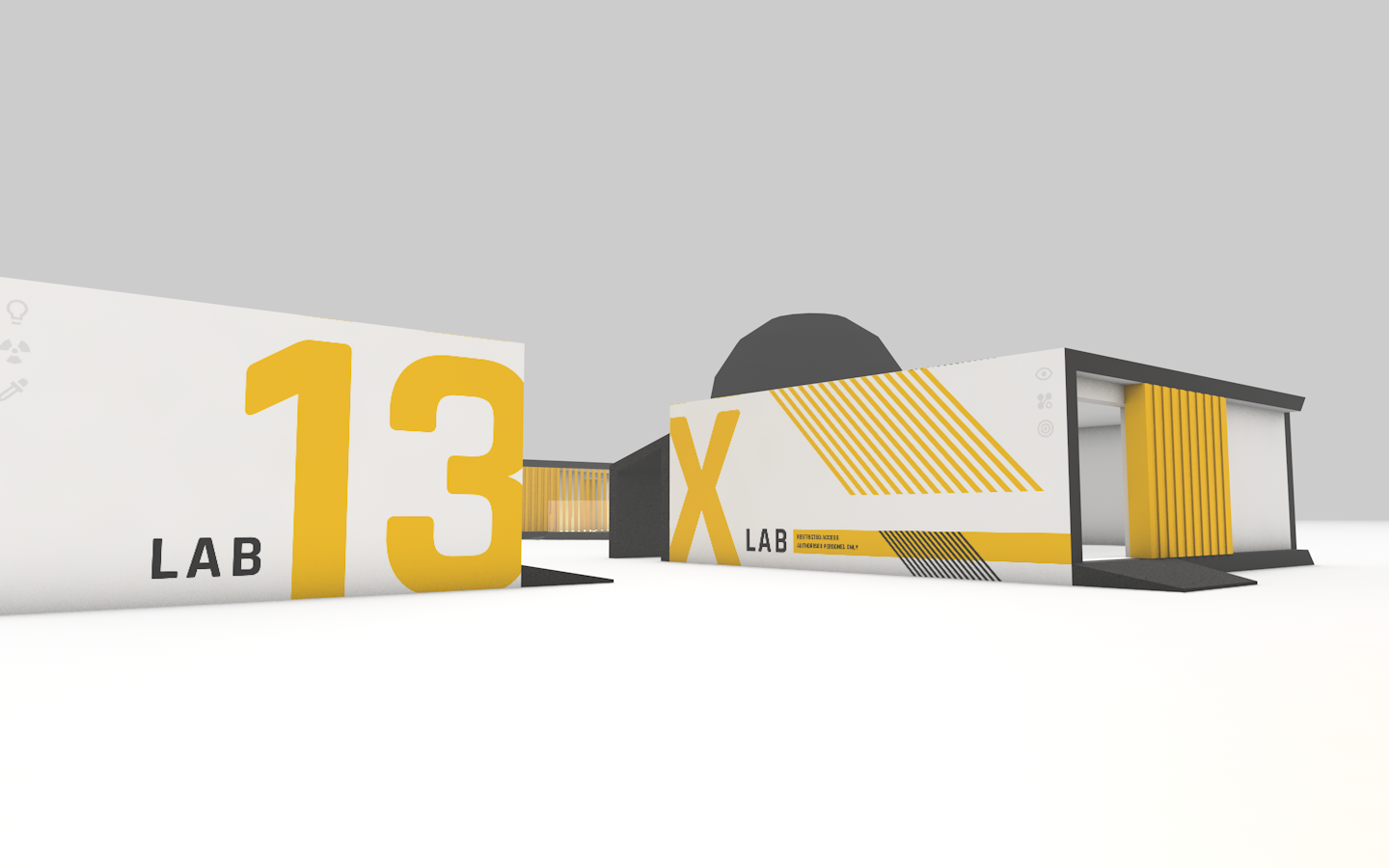
Download the latest demo
Download coming soon